
If you have suffered a slip-and-fall accident on someone else's property in South Dakota, you are likely facing more than just physical pain. Medical bills, lost wages, and the frustration of a preventable injury can take a heavy toll. However, simply falling on someone else's land does not automatically make the owner liable. To secure compensation, you must prove negligence.
South Dakota law requires a specific set of criteria to hold a property owner accountable. Here are the primary factors you must consider when building your claim.
1. The Owner’s Duty of Care
The first step is establishing that the property owner owed you a "duty of care." In South Dakota, the level of responsibility often depends on your reason for being on the property. Whether you were a customer in a store (an invitee) or a social guest (a licensee), the owner generally has a legal obligation to maintain the premises in a reasonably safe condition.
2. Existence of a Dangerous Condition
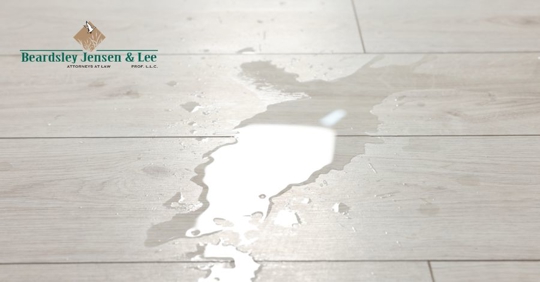
You must demonstrate that a specific hazard caused your fall. This could range from an icy sidewalk that wasn't salted to a spilled liquid in a grocery aisle or a torn carpet in an apartment complex. The condition must be something that posed an unreasonable risk of harm—not a minor or trivial defect.
3. Notice: Did the Owner Know?
One of the most critical hurdles in a slip-and-fall case is proving notice. You must show that the owner:
Had actual notice: They knew the hazard existed (e.g., an employee saw the spill).
Had constructive notice: The hazard existed for such a long time that the owner should have discovered and corrected it through reasonable inspection.
4. South Dakota’s "Slight/Gross" Comparative Negligence Rule
South Dakota operates under a unique comparative negligence system. If you were partially at fault for your fall—perhaps you were distracted by your phone or ignored a visible warning sign—you can still recover damages, but only if your negligence was "slight" in comparison to the property owner's "gross" negligence. If your fault is deemed more than slight, you may be barred from recovery entirely.
5. Documenting Damages
Finally, you must prove that the negligence directly resulted in actual damages. This includes medical records, receipts for out-of-pocket expenses, and documentation of any time missed from work. Without clear evidence of your losses, even a proven case of negligence will not result in a settlement.
Take Action Today
Proving negligence in a slip-and-fall case requires a deep understanding of South Dakota statutes and a meticulous collection of evidence. You do not have to navigate this complex legal landscape alone. The experienced team at Beardsley, Jensen & Lee is dedicated to advocating for the rights of the injured. We understand the "slight/gross" rule and know how to build a compelling case on your behalf.
Contact us today at (605) 777-7466 to schedule a consultation and take the first step toward the compensation you deserve.